

Chair Rail Molding Inspires New Decorative Wall Styles
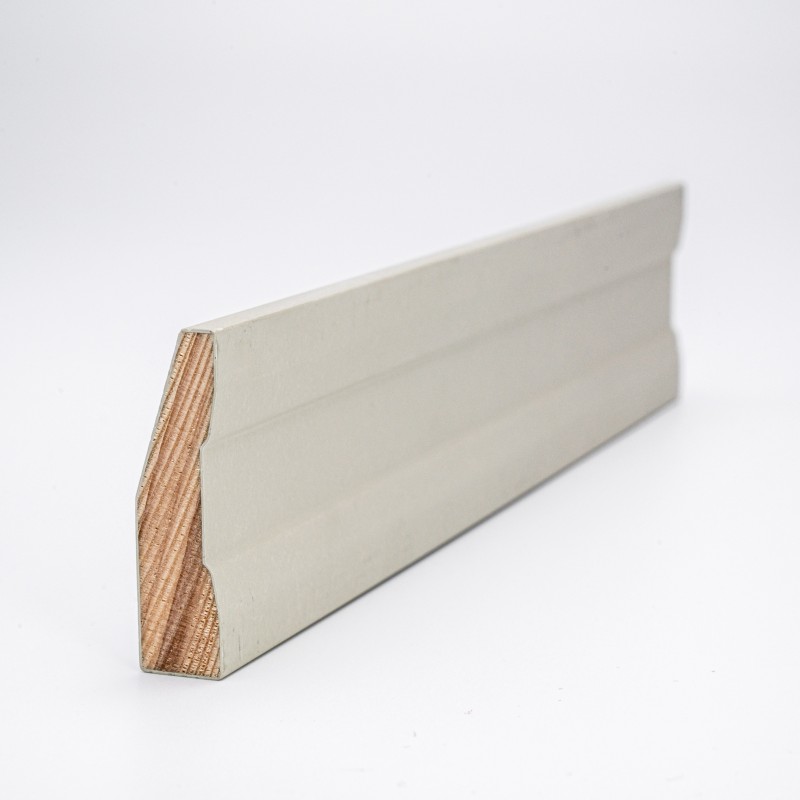
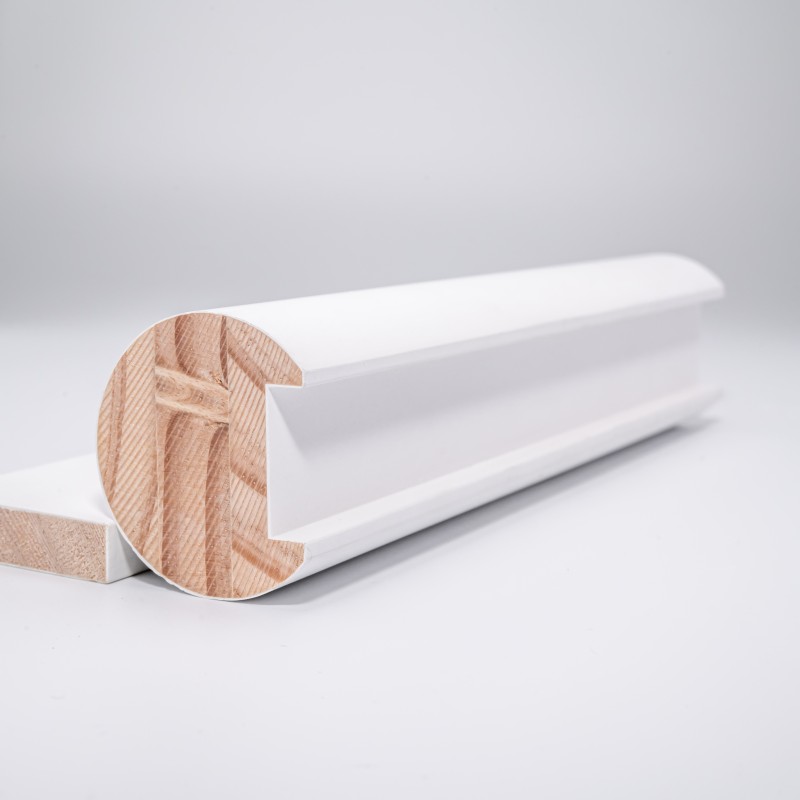
In 2026, Chair Rail Molding is playing a surprising new role in shaping decorative wall design trends across the United States. Rather than being limited to traditional wall division, Chair Rail Molding is now being used as a creative design driver that influences layout, color zoning, and architectural rhythm in both residential and commercial interiors.
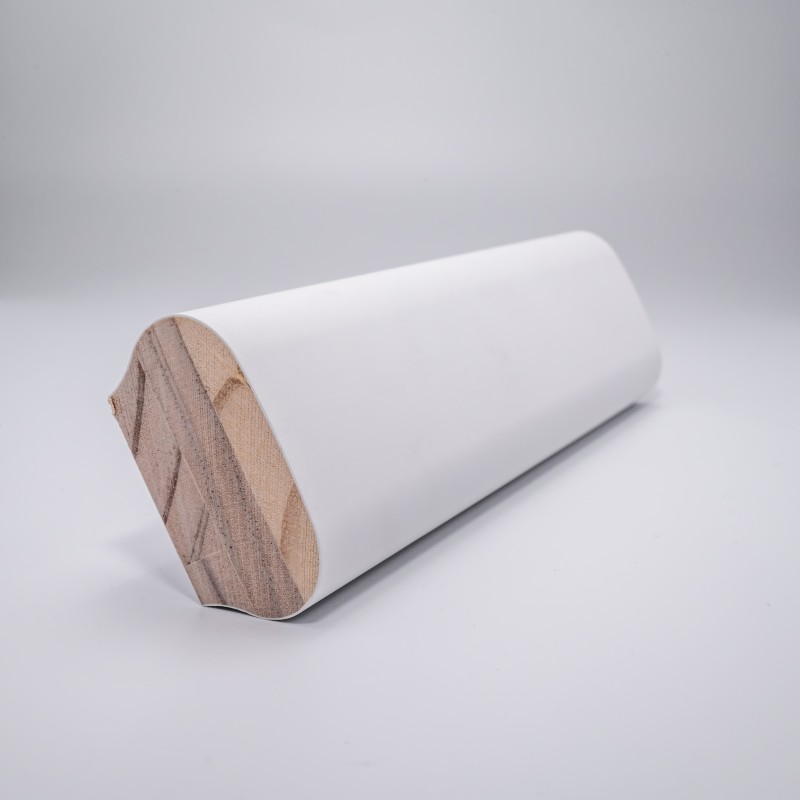
This shift is part of a broader transformation in interior finishing systems, where Crown Molding, Wood Molding, Baseboard Molding, and Wood Trim Molding are also being reimagined as interconnected design elements rather than isolated components.
Manufacturers such as Xiamen Zihua Industry & Trade Co., Ltd. are supporting this evolution by producing coordinated molding systems that allow designers to build more expressive and structured interior environments.
New Wall Zoning Concepts Redefine Interior Design
Modern interior designers are increasingly treating walls as structured visual zones rather than flat surfaces. In this context, Chair Rail Molding acts as a key dividing line that enables layered design composition.
At the same time, Wood Molding provides the structural framework that supports complex wall layouts. Designers rely on Wood Molding to ensure that decorative segments remain aligned and proportioned across entire rooms.
This zoning approach is especially popular in:
Living room feature walls
Boutique commercial interiors
Hotel corridor design
Modern apartment renovations
In these spaces, Chair Rail Molding works together with Wood Molding to create structured visual segmentation.
Crown Molding Extends Vertical Design Language
While Chair Rail Molding defines horizontal division, Crown Molding establishes the upper boundary of interior space. Together, they create a complete vertical design language that frames the entire room.
In many modern projects, Crown Molding is used not only for decoration but also as a proportional guide that influences the placement of Chair Rail Molding below.
This relationship allows designers to achieve:
Balanced ceiling-to-wall proportions
Structured visual hierarchy
Enhanced architectural depth
When combined with Baseboard Molding, the result is a fully framed interior composition that feels intentional and refined.
Baseboard Molding Anchors Decorative Wall Systems
At the lower boundary of interior design, Baseboard Molding plays a stabilizing role in decorative wall systems. It visually grounds the space and completes the vertical structure created by Chair Rail Molding and Crown Molding.
Modern design trends show increasing use of Baseboard Molding in combination with layered wall treatments, especially in projects that also integrate Wood Trim Molding for finishing precision.
Key design benefits include:
Strong visual grounding for wall segmentation
Protection for high-traffic interior areas
Clean transition between flooring and walls
This makes Baseboard Molding essential in both residential and commercial environments.
Wood Trim Molding Enhances Detail Precision
As decorative wall styles become more complex, Wood Trim Molding is increasingly important for achieving clean finishes and precise transitions.
In systems involving Chair Rail Molding, Wood Trim Molding ensures that edges, corners, and intersections remain visually seamless. It is especially important in custom wall designs where multiple materials or colors are used.
Typical applications include:
Finishing joints around Chair Rail Molding
Framing decorative wall panels
Refining transitions between surfaces
Completing architectural edge details
Without Wood Trim Molding, modern decorative wall systems would lose much of their visual precision.
Wood Molding Supports Flexible Wall Architecture
Behind every advanced wall design system, Wood Molding provides the structural foundation that makes flexibility possible. Whether supporting Chair Rail Molding layouts or connecting Crown Molding and Baseboard Molding, Wood Molding ensures stability and alignment.
Designers rely on Wood Molding to:
Build modular wall framing systems
Support decorative panel installations
Maintain alignment across large interior surfaces
Connect multi-level trim structures
This structural role makes Wood Molding a core material in modern interior innovation.
Hospitality and Commercial Spaces Drive Creative Applications
One of the strongest drivers of innovation in Chair Rail Molding usage is the hospitality and commercial design sector. Hotels, restaurants, and retail environments are using Chair Rail Molding to create branded interior identities.
In these spaces, Chair Rail Molding is often combined with Crown Molding to create elegant, layered wall compositions that enhance customer experience.
Meanwhile, Baseboard Molding provides durability in high-traffic areas, and Wood Trim Molding ensures finishing consistency across complex layouts.
These environments often use Wood Molding systems to support rapid installation and design flexibility.
Residential Design Trends Favor Layered Wall Styling
In US residential interiors, homeowners are increasingly adopting layered wall designs that incorporate all five major molding elements.
A typical modern wall system includes:
Chair Rail Molding for mid-wall structure
Crown Molding for ceiling framing
Baseboard Molding for floor anchoring
Wood Molding for structural support
Wood Trim Molding for finishing precision
This integrated approach allows homeowners to transform simple interiors into architecturally rich spaces without major construction work.
Manufacturing Consistency Supports Design Innovation
The growing complexity of decorative wall systems requires manufacturers capable of delivering consistent and precise molding components.
Xiamen Zihua Industry & Trade Co., Ltd. produces a full range of interior trim products including:
Chair Rail Molding
Crown Molding
Wood Molding
Baseboard Molding
Wood Trim Molding
Manufacturing Strengths
1. Precision Profile Engineering
Ensures consistent geometry across all molding types.
2. Stable Material Processing
Improves durability and reduces deformation.
3. Coordinated Product Systems
Allows matching designs across all five molding categories.
4. Export-Oriented Production
Supports US renovation and construction demand.
5. Flexible Customization
Enables unique decorative wall system designs.
Design Innovation in Decorative Wall Styles
New decorative wall styles inspired by Chair Rail Molding are moving away from traditional symmetry. Designers are experimenting with:
Asymmetrical wall segmentation using Chair Rail Molding
Mixed-material compositions supported by Wood Molding
High-contrast wall zoning enhanced by Crown Molding
Minimalist framing structures built with Baseboard Molding
Fine-detail finishing using Wood Trim Molding
These innovations demonstrate how interior design is becoming more architectural and expressive.
Future Outlook for Decorative Wall Systems
The future of decorative wall design in the United States will continue to evolve toward integrated systems where Chair Rail Molding plays a central creative role. As demand increases for layered and customized interiors, all five elements—Chair Rail Molding, Crown Molding, Wood Molding, Baseboard Molding, and Wood Trim Molding—will remain essential components of modern design.
This system-based approach ensures that interior spaces are not only functional but also visually structured, adaptable, and architecturally refined.
