

Baseboard Molding Enhances Modern American Homes
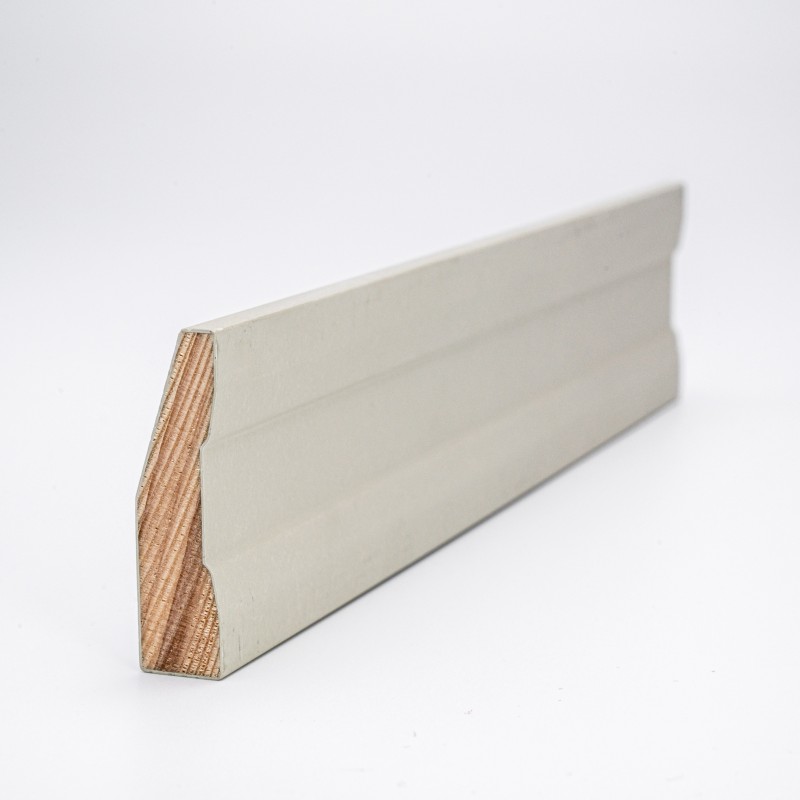
In 2026, Baseboard Molding has become one of the most important yet often underappreciated elements in modern American interior design. While ceiling and wall features often receive more attention, Baseboard Molding plays a critical role in defining spatial boundaries and completing the architectural structure of residential and commercial interiors.
The rising importance of Baseboard Molding is closely tied to increased use of Wood Molding, Crown Molding, Chair Rail Molding, and Wood Trim Molding in coordinated interior finishing systems. Together, these elements form a complete design framework that enhances both visual appeal and functional performance.
Manufacturers such as Xiamen Zihua Industry & Trade Co., Ltd. are supporting this demand by providing high-quality molding solutions designed for modern US construction and renovation needs.
Baseboard Molding Defines Architectural Boundaries
The primary role of Baseboard Molding is to create a clean transition between walls and flooring. In modern American homes, this function has expanded beyond protection to become a key design element that influences the overall perception of interior space.
Well-designed Baseboard Molding helps:
Visually anchor interior rooms
Protect wall surfaces from daily wear
Improve spatial definition in open layouts
Enhance the finished appearance of flooring installations
When combined with Crown Molding, Baseboard Molding establishes vertical balance within interior environments, creating a structured and harmonious design flow.
Wood Molding Provides Structural Support for Baseboard Systems
The effectiveness of Baseboard Molding is closely connected to the quality of underlying Wood Molding systems. Wood Molding provides the structural framework necessary for accurate installation and long-term stability.
In modern US interiors, Wood Molding is widely used to:
Support baseboard alignment along long wall sections
Ensure consistent installation across multiple rooms
Provide structural backing for decorative trim systems
Connect seamlessly with Chair Rail Molding layouts
Because of this structural role, Wood Molding is essential for achieving high-quality Baseboard Molding results in both renovation and new construction projects.
Crown Molding Creates Vertical Design Balance
While Baseboard Molding defines the lower boundary of a room, Crown Molding completes the upper architectural transition between walls and ceilings. Together, they create a balanced vertical framework that enhances room proportion and visual harmony.
Modern interior design increasingly uses Crown Molding and Baseboard Molding as paired elements to establish a cohesive architectural structure.
This combination is especially effective in:
Living rooms
Dining areas
Hallways
Bedrooms
When supported by Wood Trim Molding, this system creates a fully integrated interior finish.
Chair Rail Molding Adds Mid-Wall Structure
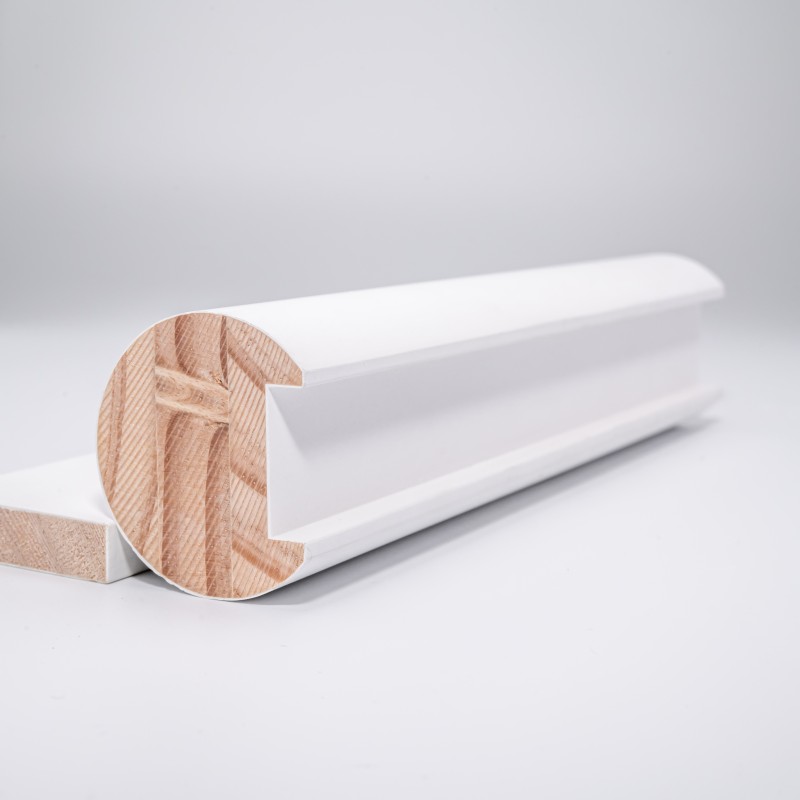
In many modern interiors, Chair Rail Molding is used to introduce a mid-wall division that complements both Baseboard Molding and Crown Molding. This three-level structure improves visual segmentation and enhances architectural depth.
Typical applications of Chair Rail Molding include:
Two-tone wall designs
Decorative panel layouts
Accent wall framing
Hallway design enhancements
When used together, Chair Rail Molding, Baseboard Molding, and Crown Molding create a layered wall system that is increasingly popular in US residential design.
Wood Trim Molding Completes Interior Detailing
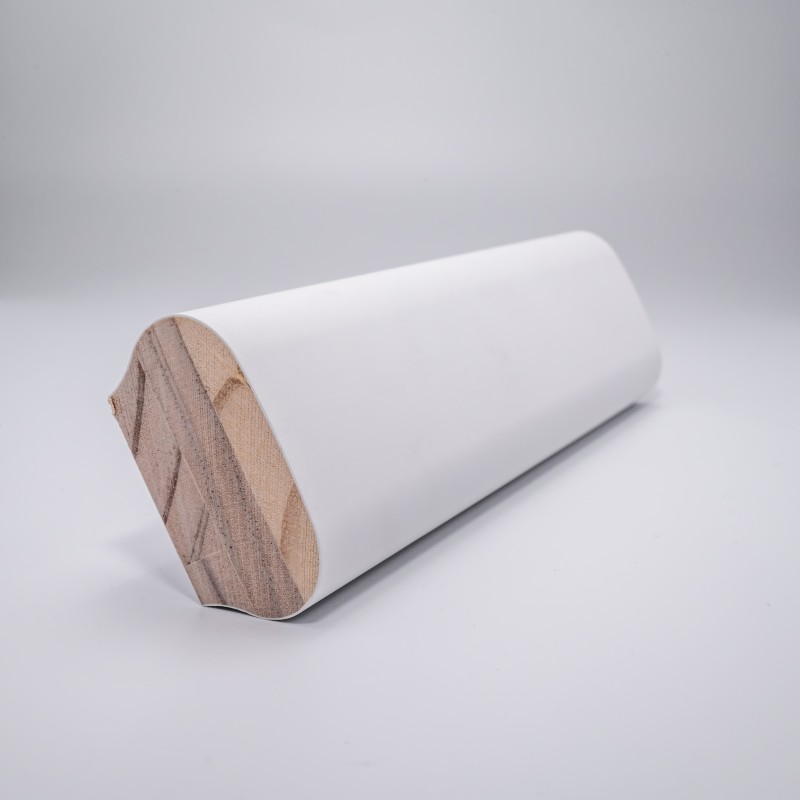
Wood Trim Molding plays a critical role in refining the visual transitions between architectural components. In Baseboard Molding installations, it ensures smooth edges, precise joints, and clean finishing lines.
Wood Trim Molding is commonly used for:
Door and window finishing details
Edge refinement in baseboard transitions
Cabinet and built-in furniture framing
Ceiling and wall connection points
This level of detail is essential for achieving a polished and professional interior appearance.
Modern Interior Trends Driving Baseboard Molding Demand
The increasing popularity of Baseboard Molding is driven by several key design trends in the United States:
Growth of open-plan residential layouts
Rising demand for minimalist yet structured interiors
Increased use of coordinated trim systems
Expansion of renovation-focused housing upgrades
Strong preference for clean architectural detailing
In these environments, Baseboard Molding is no longer a secondary feature but a central design component that supports the entire interior composition.
Integrated Trim Systems in US Home Design
A major shift in modern construction is the move toward integrated interior trim systems. Instead of selecting individual components, builders now prefer coordinated packages that include:
Baseboard Molding
Crown Molding
Wood Molding
Chair Rail Molding
Wood Trim Molding
This integrated approach improves:
Design Consistency
All elements share compatible proportions and styles.
Installation Efficiency
Contractors can complete projects more quickly and accurately.
Visual Harmony
Layered trim systems create a cohesive interior appearance.
Procurement Simplification
Builders streamline sourcing through unified product systems.
Manufacturing Strength of Xiamen Zihua Industry & Trade Co., Ltd.
Xiamen Zihua Industry & Trade Co., Ltd. supports the growing US demand for Baseboard Molding and related interior trim products through advanced manufacturing capabilities.
The company produces:
Baseboard Molding
Wood Molding
Crown Molding
Chair Rail Molding
Wood Trim Molding
Key Manufacturing Advantages
1. Precision Production Technology
Ensures accurate dimensions for all Baseboard Molding profiles.
2. Stable Material Performance
Improves durability and resistance in real-world applications.
3. Custom Design Flexibility
Supports tailored solutions for different architectural styles.
4. Export-Ready Supply Systems
Reliable delivery for US distributors and contractors.
5. Integrated Product Compatibility
Ensures seamless matching across all molding categories.
Material Options for Baseboard Molding
Modern Baseboard Molding is produced using a variety of materials depending on application needs:
Solid wood for premium interiors
Engineered wood for stability and durability
MDF for cost-efficient projects
Hybrid materials for design flexibility
These materials are often selected alongside Wood Molding systems to balance cost, performance, and aesthetics.
Future Outlook for Baseboard Molding in US Homes
The outlook for Baseboard Molding in modern American homes remains strong as interior design continues to emphasize structured, layered, and coordinated finishing systems. As demand grows for Crown Molding, Wood Molding, Chair Rail Molding, and Wood Trim Molding, Baseboard Molding will remain a foundational element in both renovation and new construction projects.
Its role in defining architectural boundaries ensures that Baseboard Molding will continue to be an essential component of modern US interior design for years to come.
