

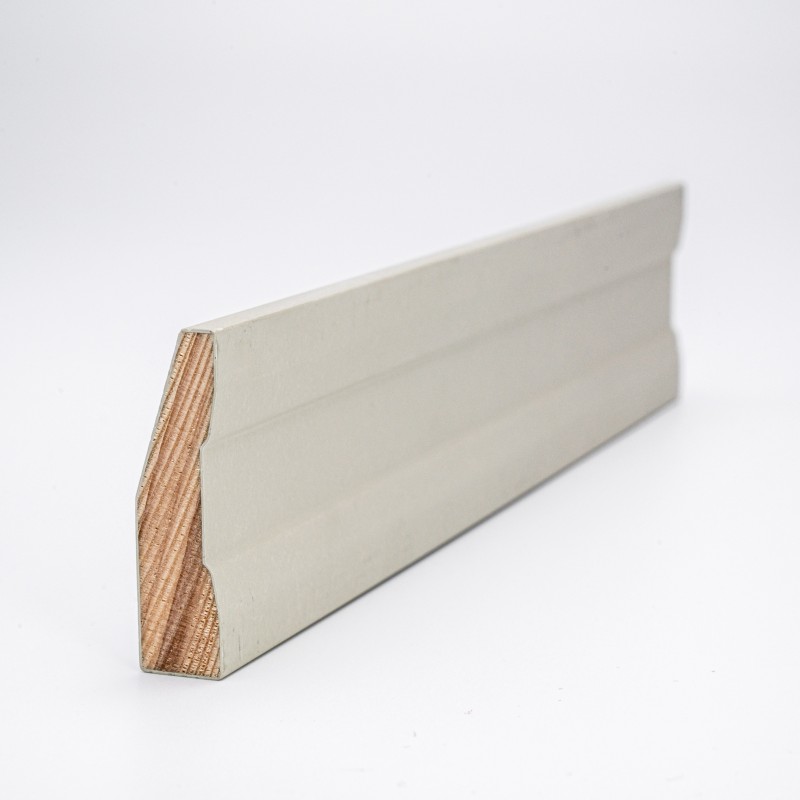
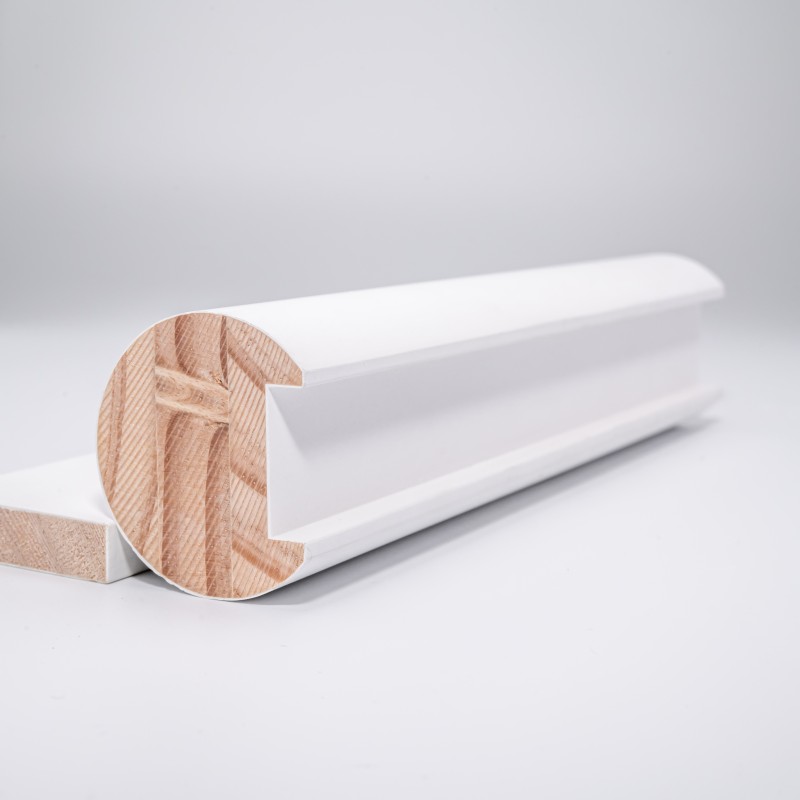
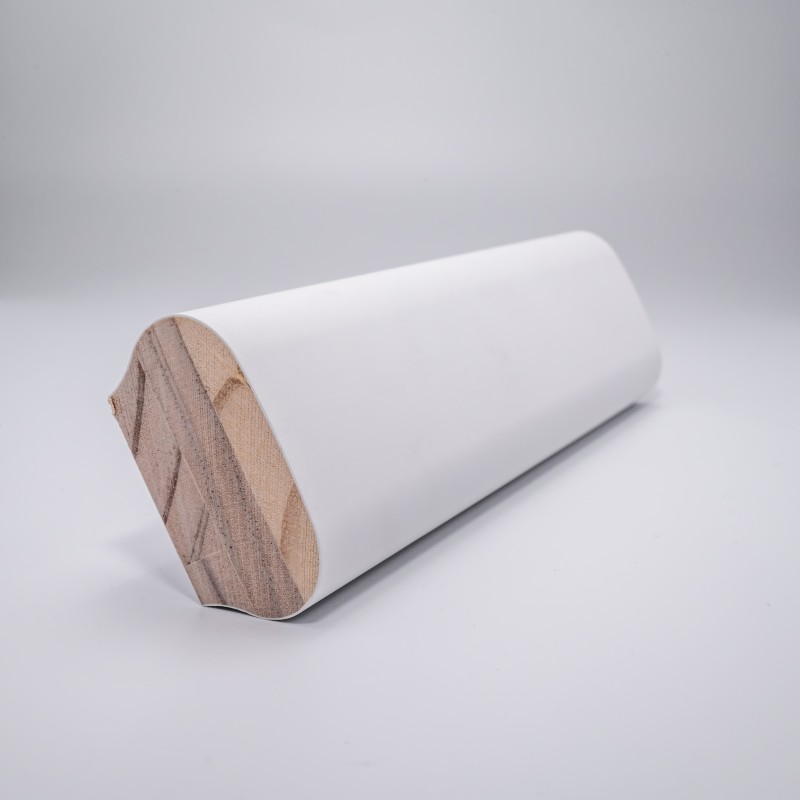
1. Rising Demand for Ceiling Moulding Wood in EU Renovation Markets
Across Europe, renovation activity has become one of the strongest drivers of interior construction demand. Aging residential buildings, historical restorations, and commercial space upgrades are pushing architects and contractors to seek high-quality finishing materials that combine aesthetics with durability. In this context, Ceiling moulding wood has become an increasingly important design element.
Unlike basic structural materials, ceiling mouldings serve a dual purpose: they enhance visual transitions between walls and ceilings while also improving perceived room proportions. As EU design standards continue to emphasize refined interior detailing, Wood mouldings are being adopted more widely in both residential and commercial renovation projects.
Within complete interior trim systems, Skirting boards wood, Architrave mouldings, and Door casing moulding work alongside ceiling mouldings to create a fully coordinated architectural environment.
2. Role of Ceiling Moulding Wood in Modern Interior Design
Ceiling moulding wood is used to create smooth transitions between vertical walls and horizontal ceilings. In EU renovation projects, this element is no longer considered optional decoration but an integral part of interior architecture.
Key functions include:
Softening visual transitions between surfaces
Enhancing ceiling height perception
Adding decorative depth to minimalist interiors
Concealing surface joints and imperfections
Improving spatial balance in room layouts
In premium renovation projects, especially in hotels and heritage buildings, Wood mouldings are essential for maintaining architectural authenticity while upgrading interior functionality.
3. EU Renovation Trends Driving Market Growth
Several structural trends are increasing demand for Ceiling moulding wood across Europe:
3.1 Historical building restoration
Many EU countries prioritize preserving architectural heritage. Ceiling mouldings are widely used to restore classical interior aesthetics while upgrading materials to modern standards.
3.2 Energy-efficient renovations
As buildings are retrofitted for insulation and efficiency, interior surfaces are often redesigned. This creates opportunities for integrated Wood mouldings systems that include ceiling, wall, and floor trims.
3.3 Premium interior upgrades
High-end residential projects increasingly incorporate decorative ceiling features to enhance property value and visual appeal.
3.4 Modular interior systems
Prefab renovation systems often include coordinated trim sets such as Skirting boards wood, Architrave mouldings, and Door casing moulding, ensuring consistency across installation projects.
4. Ceiling Moulding Wood as Part of Integrated Wood Systems
In modern EU construction, ceiling mouldings are not used in isolation. Instead, they are part of a complete architectural framing system.
4.1 Connection with skirting boards wood
Skirting boards wood provides the lower visual boundary of a room, while ceiling mouldings define the upper boundary. Together, they create a balanced vertical frame that enhances spatial perception.
4.2 Coordination with architrave mouldings
Architrave mouldings around doors must visually align with ceiling mouldings to maintain design continuity across wall surfaces. This ensures that transitions between rooms feel cohesive and intentional.
4.3 Integration with door casing moulding
Door casing moulding works structurally with architraves and contributes to door frame definition. When combined with ceiling moulding wood, it helps unify vertical and horizontal design elements.
These relationships highlight the importance of using complete Wood mouldings systems rather than standalone components in professional renovation projects.
5. Material Requirements in EU Markets
European renovation projects are highly regulated, particularly regarding material safety, sustainability, and durability. As a result, Ceiling moulding wood must meet strict requirements:
Stable moisture content for climate adaptability
FSC or equivalent eco-certification compliance
Resistance to deformation and cracking
High-quality surface finishing for painting or staining
Compatibility with interior air quality regulations
These requirements apply across all Wood mouldings, including Skirting boards wood, Architrave mouldings, and Door casing moulding.
Manufacturers supplying the EU market must maintain strict quality control systems to ensure consistency across all product lines.
6. Manufacturing Strength Behind Ceiling Moulding Wood
At Xiamen Zihua Industry & Trade Co., Ltd., production of Ceiling moulding wood is based on precision engineering and scalable manufacturing systems designed for international markets.
6.1 CNC profiling technology
Advanced CNC systems ensure precise shaping of all Wood mouldings, allowing consistent profiles across large production batches.
6.2 Surface treatment and finishing
Ceiling mouldings require high-end finishing to meet EU aesthetic expectations. Processes include:
Multi-stage sanding for smoothness
Primer coating for paint adhesion
Moisture-resistant sealing
Surface reinforcement for durability
These techniques are also applied to Skirting boards wood, Architrave mouldings, and Door casing moulding to ensure visual consistency across full interior systems.
6.3 Production scalability
For EU renovation projects, supply consistency is critical. The factory is capable of:
Large-scale batch production
Fast customization of profiles
Stable color and texture matching
Export-ready packaging and logistics
This ensures reliable supply of Wood mouldings for distributors, contractors, and renovation project suppliers.
7. OEM Customization for Renovation Projects
EU renovation projects often require tailored solutions due to architectural diversity across countries. The factory provides flexible OEM support for:
Custom ceiling moulding profiles for historical restoration
Coordinated trim systems combining Skirting boards wood and Architrave mouldings
Color matching across full interior sets
Dimensional adaptation for regional construction standards
This customization capability allows Ceiling moulding wood to be seamlessly integrated into both modern and classical renovation environments.
8. Application Scenarios Across Europe
Ceiling moulding wood is widely used across various EU renovation contexts:
Residential renovation
Apartment upgrades
Villa interior redesign
Heritage home restoration
Commercial renovation
Office modernization
Retail space refurbishment
Public building upgrades
Hospitality renovation
Hotel interior renovation
Resort room redesign
Restaurant interior enhancement
In all these applications, ceiling mouldings are combined with Wood mouldings, Skirting boards wood, Architrave mouldings, and Door casing moulding to achieve a unified architectural finish.
9. Value Contribution of Wood Mouldings Systems
The real value of Ceiling moulding wood lies in its integration within a complete interior system. When used together with other Wood mouldings, it contributes to:
Higher perceived property value
Improved interior aesthetics
Enhanced architectural consistency
Increased renovation ROI for property owners
Faster installation in modular systems
This system-based approach is increasingly preferred in EU renovation markets, where efficiency and design quality must coexist.
10. Factory Positioning in the EU Supply Chain
As demand grows, European importers increasingly rely on direct factory sourcing for Wood mouldings to ensure competitive pricing and consistent quality.
Xiamen Zihua Industry & Trade Co., Ltd. supports this demand by offering:
Stable supply of Ceiling moulding wood
Coordinated production with Skirting boards wood systems
Integrated Architrave mouldings and Door casing moulding solutions
OEM flexibility for renovation-focused product lines
This positions the factory as a reliable partner in the EU renovation supply chain, especially for distributors and project contractors seeking long-term sourcing stability.
