

1. Evolution of Door Design in the German Market
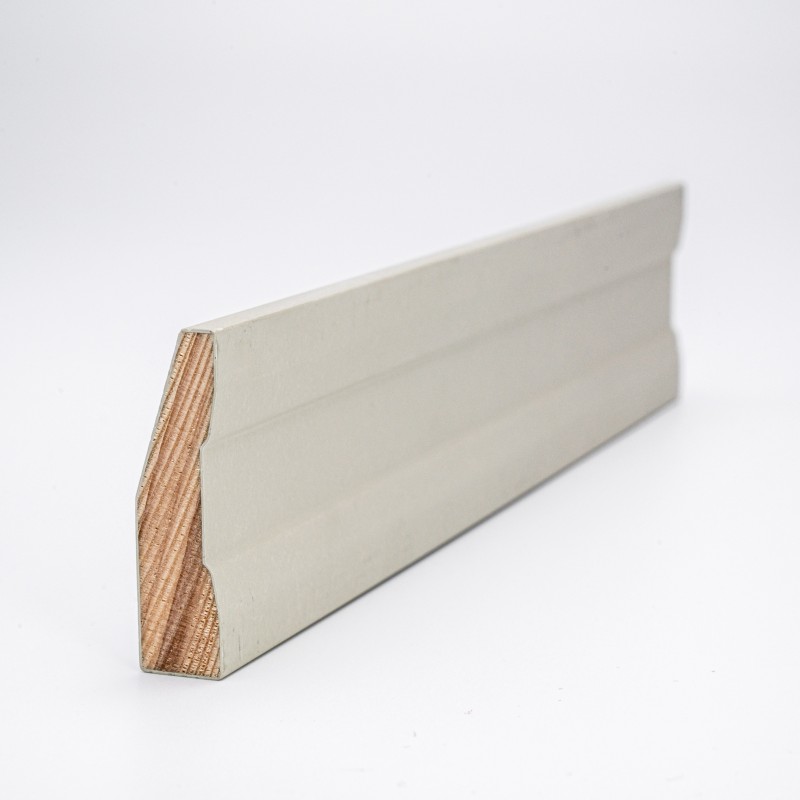
Modern German interior architecture places strong emphasis on precision, minimalism, and material consistency. Within this design philosophy, Architrave mouldings have become a critical component of door framing systems, directly influencing how interior spaces are visually structured.
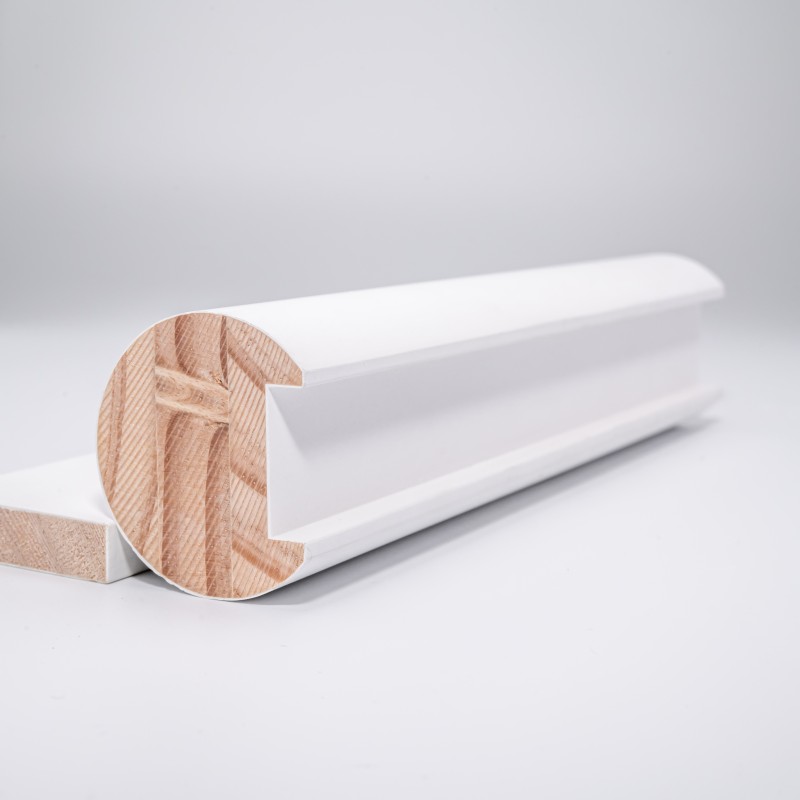
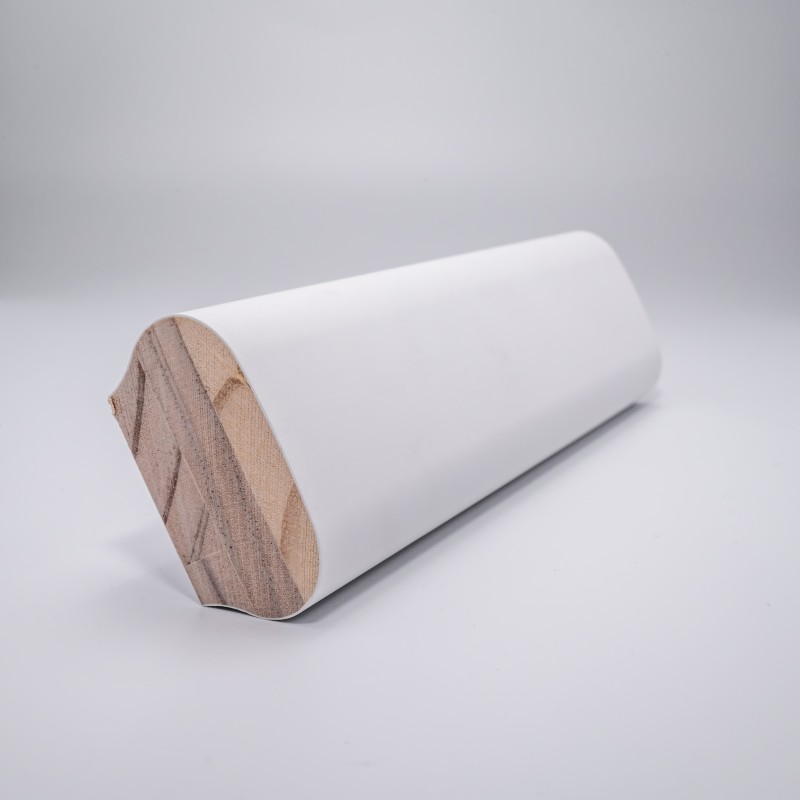
As demand for high-quality interior finishing increases, Wood mouldings are now widely used not only for decorative purposes but also for functional transitions between architectural elements. In German residential and commercial projects, doors are no longer isolated design elements—they are integrated systems that must align seamlessly with surrounding trims such as Skirting boards wood, Ceiling moulding wood, and Door casing moulding.
2. Functional Importance of Architrave Mouldings
Architrave mouldings serve as the finishing frame around doors and openings. In German construction standards, they are essential for:
Covering gaps between walls and door frames
Creating clean geometric transitions
Protecting wall edges from impact and wear
Enhancing overall interior symmetry
Unlike simple trims, architraves are part of a coordinated Wood mouldings system that ensures visual harmony across entire interiors. Their precision directly affects the perceived quality of a room.
3. Design Trends Driving Architrave Demand in Germany
German interior design trends strongly influence the evolution of Architrave mouldings. Several key directions are shaping market demand:
3.1 Minimalist geometric profiles
Straight-line and square-edge profiles are increasingly preferred in modern apartments and commercial buildings.
3.2 Seamless integration with wall systems
Architects aim to visually unify doors with walls, requiring architraves to align perfectly with Skirting boards wood and other finishing trims.
3.3 Neutral and natural finishes
White-painted surfaces and natural wood textures dominate German interiors, increasing demand for high-quality Wood mouldings with smooth finishing.
3.4 High durability standards
Due to frequent use in public and residential buildings, architraves must withstand long-term impact and cleaning cycles.
4. Relationship Between Architrave Mouldings and Other Wood Systems
Modern German interior systems rely on coordinated design between multiple components.
4.1 Connection with skirting boards wood
Skirting boards wood and architraves must align vertically to create a continuous visual frame from floor to door height, improving spatial balance.
4.2 Integration with ceiling moulding wood
At the upper level, Ceiling moulding wood completes the room framing system. Together with architraves, it forms a full vertical architectural outline.
4.3 Coordination with door casing moulding
Door casing moulding provides structural reinforcement and design consistency in door installation systems. Architraves must match casing profiles to ensure seamless installation and aesthetic uniformity.
This interconnected system of Wood mouldings defines modern European interior finishing standards.
5. Manufacturing Precision Behind Architrave Mouldings
The quality of Architrave mouldings depends heavily on production precision and surface treatment. At Xiamen Zihua Industry & Trade Co., Ltd., advanced manufacturing systems are used to meet German market expectations.
5.1 CNC precision shaping
High-accuracy CNC machines ensure consistent profiles across large production batches of Wood mouldings, minimizing dimensional deviation.
5.2 Surface finishing technology
To meet German aesthetic standards, architraves undergo:
Multi-stage sanding processes
Smooth coating preparation
Moisture-resistant finishing treatments
Paint adhesion optimization
These processes ensure compatibility with premium Skirting boards wood, Ceiling moulding wood, and Door casing moulding products.
5.3 Material stability and selection
German buyers prioritize stable, eco-compliant materials. Architraves must maintain:
Low deformation rates
Stable moisture content
High-density structural integrity
Environmental compliance for EU standards
These requirements apply across all Wood mouldings categories supplied to the European market.
6. OEM Flexibility and Project-Based Customization
German importers and construction suppliers often require customized solutions for large-scale projects. The factory supports flexible OEM production for:
Custom architrave profiles for specific architectural designs
Coordinated sets including Skirting boards wood and Door casing moulding
Color matching across full interior trim systems
Dimension adjustments for regional building standards
This flexibility allows integration of Wood mouldings into diverse architectural styles, from traditional European interiors to modern minimalist spaces.
7. Application Scenarios in German Construction
Architrave mouldings are widely used across multiple sectors in Germany:
Residential housing
Apartments and condominiums
Renovated historic homes
Modern villas with minimalist interiors
Commercial buildings
Office complexes
Retail environments
Public service buildings
Hospitality industry
Hotels and resorts
Conference centers
Boutique accommodation spaces
In all these environments, architraves work together with Skirting boards wood, Ceiling moulding wood, and Door casing moulding to create a unified architectural finishing system.
8. Market Outlook for Wood Mouldings in Germany
The German market continues to show strong growth in demand for premium Wood mouldings driven by:
Renovation of aging building stock
Expansion of sustainable construction practices
Increasing demand for high-end interior aesthetics
Standardization of prefabricated interior systems
Within this context, Architrave mouldings remain a core product category, essential for modern door design and interior architectural consistency.
