

Architectural design in the United States is becoming increasingly sophisticated. Modern homes, luxury apartments, commercial buildings, and hospitality projects are incorporating more creative structural elements than ever before. Curved walls, rounded corners, sweeping hallways, decorative columns, and circular spaces are no longer limited to luxury estates. These features are now appearing in a wide range of residential and commercial developments.
While these architectural details create unique visual appeal, they also introduce significant finishing challenges. Traditional trim products are typically designed for straight surfaces, making it difficult to achieve smooth and professional results on curved structures. This challenge has accelerated demand for flexible baseboard molding, a specialized solution that allows designers and contractors to complete complex projects without sacrificing quality or aesthetics.
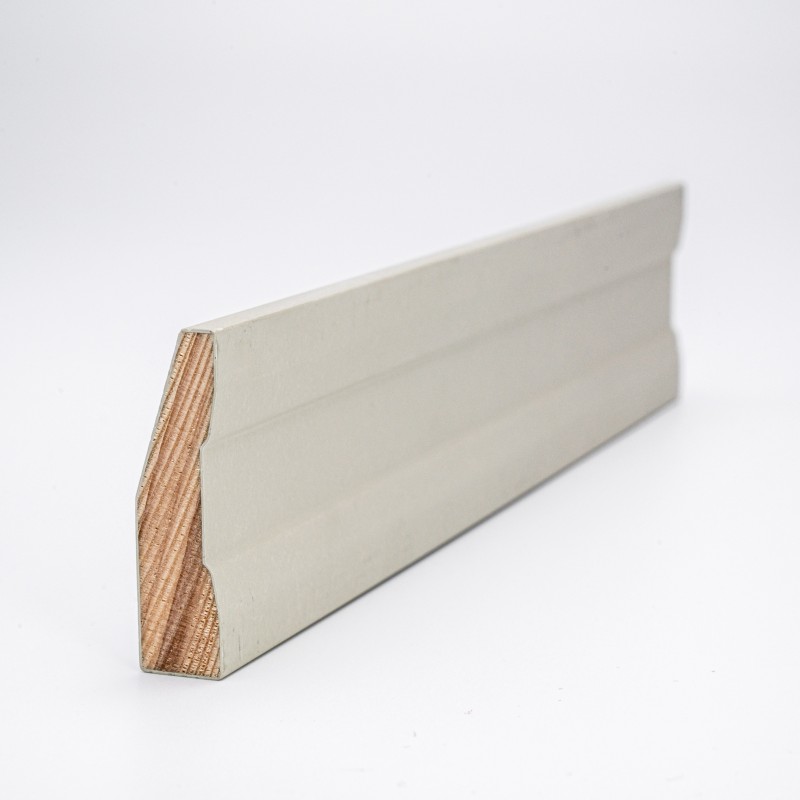
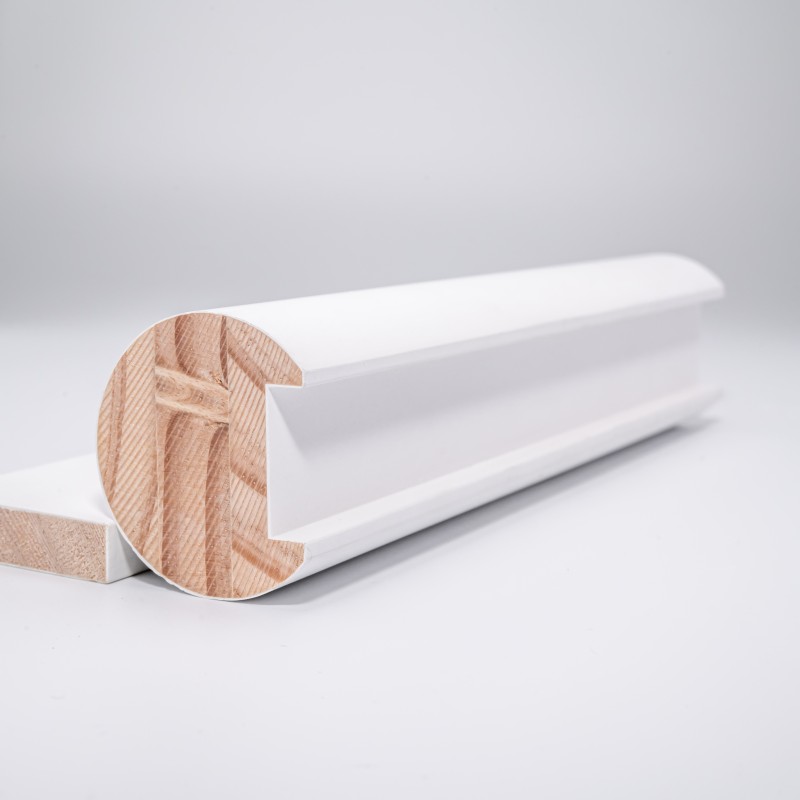
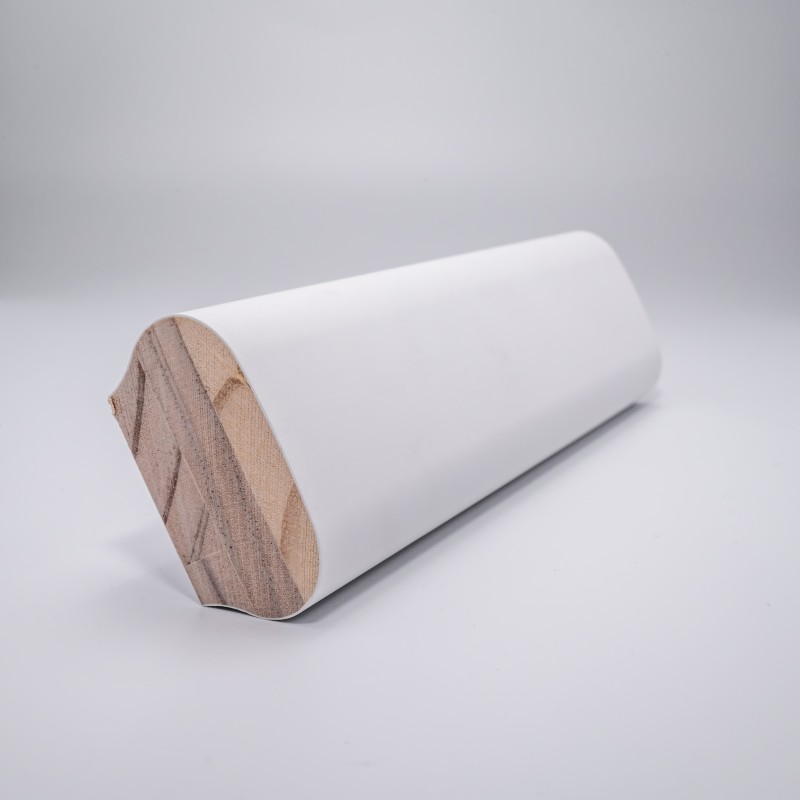
As the market for custom architecture continues to expand, products such as Baseboard Molding, Wood Baseboard, floor baseboard molding, white baseboard trim, and flexible baseboard molding are becoming increasingly important components of modern construction.
Curved Architecture Is Becoming More Common
For many years, most residential construction relied on simple rectangular floor plans. Straight walls simplified construction and reduced material costs.
Today's homeowners, however, increasingly seek properties that stand out from conventional designs. Architects are responding by introducing softer forms and more dynamic layouts.
Features such as:
Curved staircases
Circular entry halls
Rounded living spaces
Arched hallways
Decorative wall features
Curved entertainment areas
are becoming more common in both new construction and remodeling projects.
These design elements create a distinctive appearance, but they require finishing materials capable of adapting to non-linear surfaces. This need has contributed directly to the growing popularity of flexible baseboard molding.
Traditional Baseboard Molding Has Limitations
Standard Baseboard Molding performs exceptionally well along straight walls. However, when installed on curved surfaces, rigid trim often creates gaps, uneven contact points, and visible imperfections.
Installers may attempt to modify conventional Baseboard Molding through extensive cutting and shaping, but these methods can increase labor costs and affect final appearance.
As architectural designs become more complex, builders increasingly seek alternatives that can accommodate curved structures more efficiently.
This is where flexible baseboard molding offers a practical advantage. By conforming naturally to curved surfaces, it helps eliminate many of the challenges associated with traditional Baseboard Molding installations.
The result is a cleaner and more professional finish.
Flexible Baseboard Molding Supports Architectural Accuracy
Architects invest considerable effort in developing unique design concepts. Maintaining the integrity of these designs throughout construction is essential.
Improper finishing can diminish the visual impact of even the most creative architectural features.
Flexible baseboard molding allows contractors to follow wall contours precisely, helping preserve the intended appearance of curved spaces.
Whether installed around circular rooms, curved corridors, or decorative structures, flexible baseboard molding ensures that architectural details remain visually consistent from start to finish.
This capability has made flexible baseboard molding a preferred solution for projects where design precision is a priority.
Luxury Homes Drive Demand for Flexible Solutions
The luxury housing sector continues to influence broader construction trends.
High-end homeowners increasingly request custom architectural features that create unique living experiences. Curved wine rooms, rounded home theaters, spa-inspired bathrooms, and sculptural living spaces have become common requests in premium developments.
To support these designs, builders require finishing materials capable of adapting to unusual layouts.
Many luxury projects incorporate premium Wood Baseboard in standard areas while utilizing flexible baseboard molding in curved sections.
This combination allows designers to maintain a consistent visual style throughout the home while addressing technical installation requirements.
The continued growth of luxury construction is expected to support strong demand for both Wood Baseboard and flexible baseboard molding.
Floor Baseboard Molding Enhances Functional Performance
In addition to visual benefits, floor baseboard molding serves important functional purposes.
It helps protect walls from impacts, conceals expansion gaps, and creates clean transitions between surfaces.
When curved walls are introduced into a design, standard floor baseboard molding may no longer provide optimal performance.
By integrating flexible baseboard molding into these applications, builders can maintain the protective benefits of floor baseboard molding while achieving superior visual results.
This flexibility allows projects to balance practicality and design excellence.
As modern floor plans continue evolving, demand for advanced floor baseboard molding solutions is expected to increase.
White Baseboard Trim Highlights Curved Features
One of the most popular finishing trends in the American housing market is the use of white baseboard trim.
The clean and timeless appearance of white baseboard trim complements a wide variety of architectural styles and interior color schemes.
When paired with curved walls, white baseboard trim can help emphasize architectural features while maintaining a bright and contemporary atmosphere.
Many designers utilize flexible baseboard molding with matching white baseboard trim finishes to create seamless visual continuity throughout custom spaces.
This combination allows curved structures to stand out as intentional design elements rather than construction challenges.
The popularity of white baseboard trim continues making it a natural partner for innovative trim solutions.
Renovation Projects Create Unique Installation Requirements
Home renovation has become a major driver of trim product demand.
Many homeowners are transforming older properties into customized living environments that better suit modern lifestyles.
These renovations frequently involve structural modifications, including curved partitions, custom room additions, and decorative architectural features.
Unlike new construction, renovation projects often present unpredictable conditions that require adaptable materials.
Flexible baseboard molding provides contractors with greater installation flexibility, making it easier to address irregular surfaces and unique design requirements.
This adaptability has contributed to increasing adoption within the remodeling industry.
Commercial Spaces Require Design Flexibility
Commercial developers are also embracing more creative architectural approaches.
Hotels, restaurants, medical facilities, office buildings, and retail stores increasingly use interior design to strengthen customer engagement and brand identity.
Curved walls and custom layouts help create memorable environments that distinguish businesses from competitors.
To achieve these objectives, designers often specify Baseboard Molding, floor baseboard molding, and flexible baseboard molding systems that can adapt to complex structures.
These products contribute to a polished appearance while supporting the functional requirements of commercial spaces.
Manufacturing Quality Determines Installation Success
The performance of flexible baseboard molding depends heavily on manufacturing precision.
Products must provide sufficient flexibility without compromising durability, dimensional consistency, or visual appearance.
Xiamen Zihua Industry & Trade Co., Ltd. utilizes advanced production technologies to manufacture premium:
Baseboard Molding
Wood Baseboard
floor baseboard molding
white baseboard trim
flexible baseboard molding
Each product undergoes strict quality control procedures designed to ensure reliable performance across a wide range of architectural applications.
This commitment to manufacturing excellence helps customers achieve superior installation outcomes and long-term product satisfaction.
Custom Solutions Support Project Diversity
Every construction project presents unique design requirements.
To accommodate these diverse needs, Xiamen Zihua Industry & Trade Co., Ltd. offers customized manufacturing services for Baseboard Molding, Wood Baseboard, floor baseboard molding, white baseboard trim, and flexible baseboard molding.
Available customization options include:
Custom profiles
Project-specific dimensions
Specialized finishes
OEM production
Private-label programs
Customized packaging
These capabilities help builders, distributors, and developers obtain products tailored to their specific market needs.
Flexible Baseboard Molding Will Continue Supporting Design Innovation
Architectural creativity continues reshaping the construction industry.
As homeowners and designers seek increasingly distinctive spaces, materials capable of adapting to complex forms will become even more valuable.
Flexible baseboard molding provides an effective solution for one of the industry's most common finishing challenges: creating professional results on curved surfaces.
Combined with premium Baseboard Molding, durable Wood Baseboard, high-performance floor baseboard molding, and versatile white baseboard trim, flexible baseboard molding helps transform innovative architectural concepts into finished environments that are both functional and visually impressive.
Through continuous product development, advanced manufacturing systems, and rigorous quality management, Xiamen Zihua Industry & Trade Co., Ltd. remains committed to delivering trim solutions that help customers overcome curved wall challenges and achieve exceptional project results throughout the United States.
