

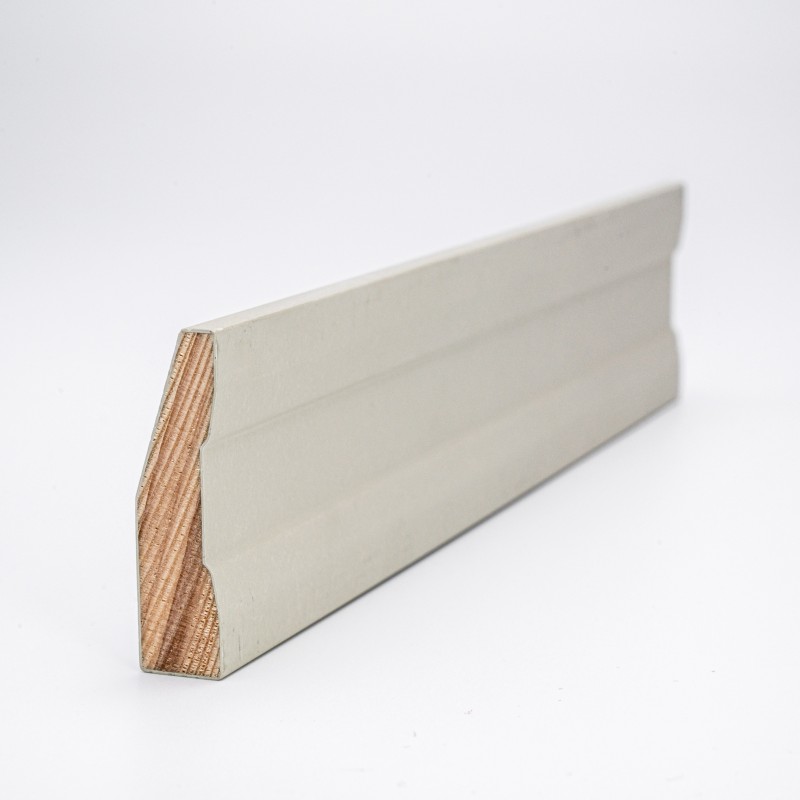
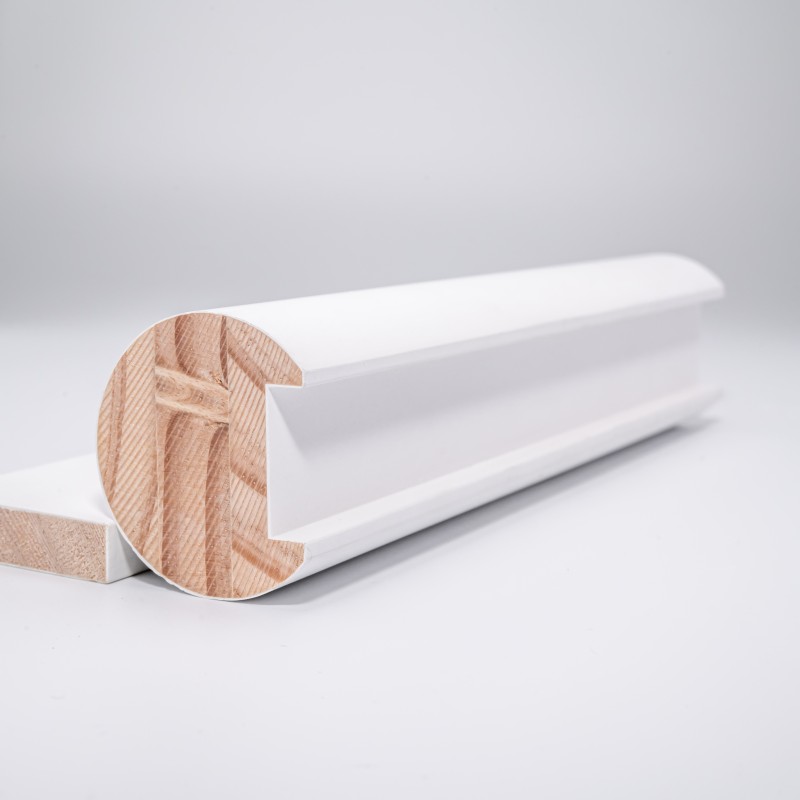
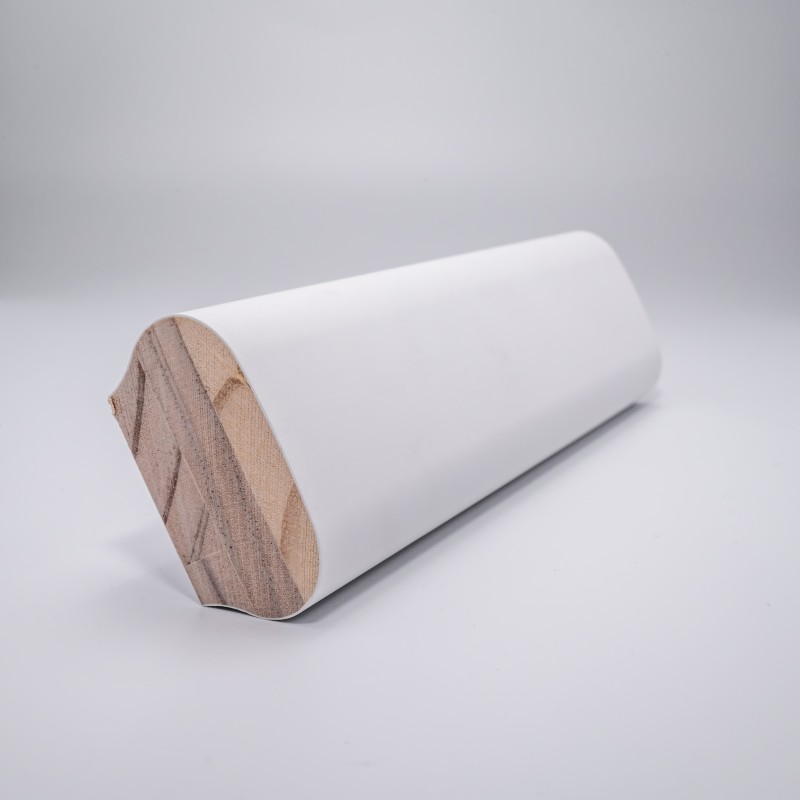
The modern American interior design market is increasingly focused on differentiation. Homeowners want homes that reflect their personalities, developers seek distinctive features that attract buyers, and architects continuously explore new ways to create visually engaging spaces. As design expectations rise, finishing materials must evolve beyond traditional applications. Among the products supporting this transformation, flexible baseboard molding has become an essential solution for projects that require creativity, adaptability, and precision.
Unlike conventional trim products designed primarily for straight walls, flexible baseboard molding allows designers to incorporate unique architectural details without compromising finishing quality. Whether used in residential construction, commercial interiors, hospitality projects, or luxury renovations, flexible baseboard molding helps bring custom design concepts to life. Together with premium Baseboard Molding, durable Wood Baseboard, high-quality floor baseboard molding, and elegant white baseboard trim, it is reshaping how interior spaces are finished across the United States.
Demand for Personalized Spaces Continues to Grow
Modern consumers increasingly reject one-size-fits-all design solutions. Instead, they seek homes and commercial spaces that offer individuality and character.
This trend has encouraged architects and interior designers to experiment with layouts that move beyond traditional rectangular forms. Curved walls, sculpted room dividers, decorative niches, rounded ceiling transitions, and custom-built architectural features are becoming more common in both new construction and renovation projects.
These design elements require trim solutions capable of adapting to unconventional shapes. Flexible baseboard molding allows builders to complete these projects efficiently while preserving the intended visual effect.
As personalized architecture gains popularity, flexible baseboard molding continues expanding its presence within the American building industry.
Creative Design Requires Adaptable Finishing Materials
Architectural creativity is often limited by the materials available to execute a design.
While advanced software allows architects to create increasingly complex structures, successful implementation depends on practical construction solutions. Standard Baseboard Molding products often perform well on straight surfaces but may struggle when applied to custom architectural features.
Flexible baseboard molding bridges this gap by providing the adaptability necessary for modern design.
Whether installed around curved display walls, circular staircases, or decorative room transitions, flexible baseboard molding allows architectural details to remain consistent throughout the project.
This flexibility enables designers to pursue more ambitious concepts while maintaining professional finishing standards.
Custom Residential Projects Drive Market Expansion
Luxury home construction has become a significant source of growth for specialized trim products.
Homeowners investing in custom residences frequently request features that distinguish their properties from standard developments. Personalized floor plans, architectural focal points, and unique room configurations have become highly desirable.
To support these projects, builders require materials that accommodate custom layouts without sacrificing quality.
Many luxury homes combine traditional Wood Baseboard in primary living spaces with flexible baseboard molding in areas featuring curved or irregular structures.
This strategy allows designers to maintain consistent aesthetics while addressing specialized installation requirements.
The increasing popularity of custom-built homes continues strengthening demand for both Wood Baseboard and flexible baseboard molding.
White Baseboard Trim Enhances Design Versatility
Few finishing products offer the design flexibility of white baseboard trim.
Its clean appearance allows it to complement a wide range of architectural styles, from minimalist contemporary interiors to traditional family homes. Because of this versatility, white baseboard trim remains a preferred choice among designers and builders.
When paired with flexible baseboard molding, white baseboard trim can be used throughout complex floor plans without disrupting visual consistency.
Curved walls, custom alcoves, and decorative architectural features can all be finished with matching white baseboard trim, creating a seamless appearance throughout the space.
This combination continues to gain popularity in both residential and commercial applications.
Floor Baseboard Molding Adapts to Modern Layouts
Open-concept living has transformed how homes are designed.
Today's floor plans often connect multiple living areas into a single continuous environment. These layouts improve functionality and create a stronger sense of space, but they also require greater design coordination.
Premium floor baseboard molding helps establish continuity throughout open interiors by creating consistent transitions between walls and flooring.
When custom architectural features are incorporated into these layouts, flexible baseboard molding can work alongside traditional floor baseboard molding to maintain a unified appearance.
This integration supports both design freedom and construction efficiency.
As modern layouts become increasingly sophisticated, demand for innovative floor baseboard molding solutions continues to rise.
Commercial Interiors Prioritize Brand Identity
Commercial environments are becoming more experience-focused.
Businesses recognize that interior design can influence customer perception, employee satisfaction, and brand recognition. As a result, architects are creating more distinctive spaces that incorporate unique architectural elements.
Curved reception desks, feature walls, showroom displays, and custom room layouts are becoming increasingly common.
To support these designs, contractors frequently specify flexible baseboard molding alongside premium Baseboard Molding systems.
The adaptability of flexible baseboard molding helps businesses achieve visually distinctive environments while maintaining professional finishing quality.
This trend is particularly strong in hospitality, retail, wellness, and corporate office sectors.
Flexible Baseboard Molding Encourages Architectural Innovation
One of the most significant benefits of flexible baseboard molding is its ability to remove practical barriers that can limit design creativity.
Architects often develop concepts that include complex shapes or unconventional layouts. Without appropriate finishing materials, these ideas may be modified or simplified during construction.
By providing a reliable solution for challenging installations, flexible baseboard molding gives designers greater confidence to explore innovative concepts.
This freedom supports the development of more engaging and memorable spaces.
As design expectations continue evolving, products that encourage architectural innovation will become increasingly valuable.
Manufacturing Precision Supports Design Excellence
The effectiveness of flexible baseboard molding depends on consistent manufacturing quality.
Products must maintain flexibility while delivering the durability, dimensional stability, and appearance required for professional applications.
Xiamen Zihua Industry & Trade Co., Ltd. utilizes advanced production technologies to manufacture premium:
Baseboard Molding
Wood Baseboard
floor baseboard molding
white baseboard trim
flexible baseboard molding
Comprehensive quality control procedures ensure that every product meets strict performance standards before reaching customers.
This commitment to manufacturing excellence supports reliable installation and long-term product performance.
Custom Manufacturing Creates Competitive Advantages
Every project presents unique requirements.
Developers, distributors, architects, and contractors often require specialized trim solutions tailored to specific design objectives.
Xiamen Zihua Industry & Trade Co., Ltd. offers customization services for Baseboard Molding, Wood Baseboard, floor baseboard molding, white baseboard trim, and flexible baseboard molding, including:
Custom profiles
Specialized dimensions
Unique finishes
OEM manufacturing
Private-label production
Customized packaging
These capabilities allow customers to differentiate their projects while maintaining high standards of quality and consistency.
Flexible Baseboard Molding Shapes the Future of Interior Design
As the construction industry moves toward greater personalization, materials that support design flexibility will play an increasingly important role.
Homeowners want unique living environments. Businesses seek memorable customer experiences. Architects continue pushing the boundaries of creativity.
In this evolving landscape, flexible baseboard molding provides the adaptability necessary to transform innovative ideas into finished reality.
Working alongside premium Baseboard Molding, natural Wood Baseboard, durable floor baseboard molding, and timeless white baseboard trim, flexible baseboard molding empowers designers to create spaces that stand apart from conventional construction.
Through advanced manufacturing, rigorous quality control, and continuous product innovation, Xiamen Zihua Industry & Trade Co., Ltd. remains committed to delivering trim solutions that help customers unlock new design opportunities and achieve exceptional results in the American market.
