

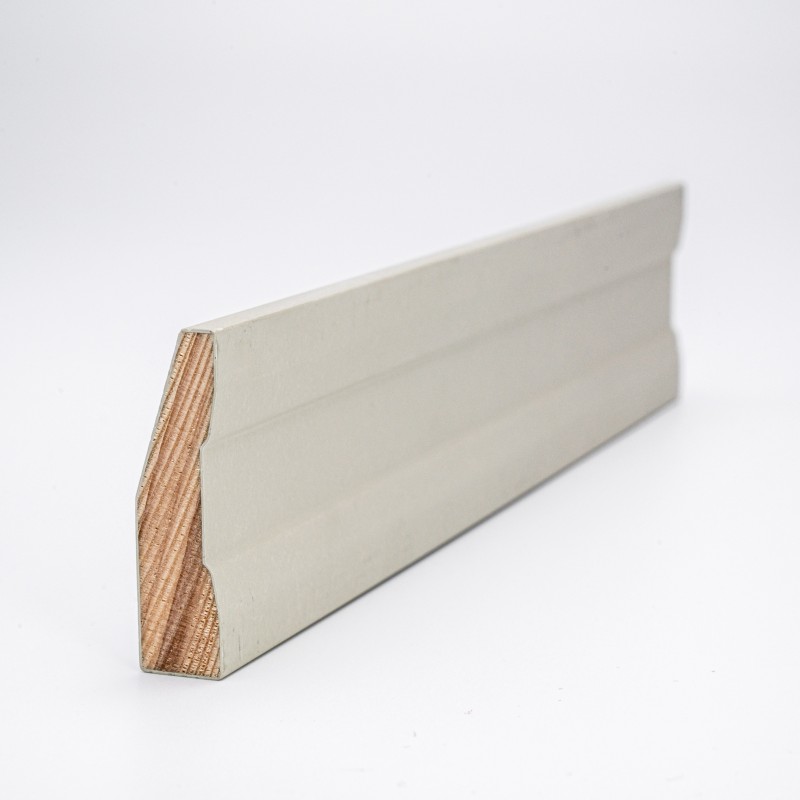
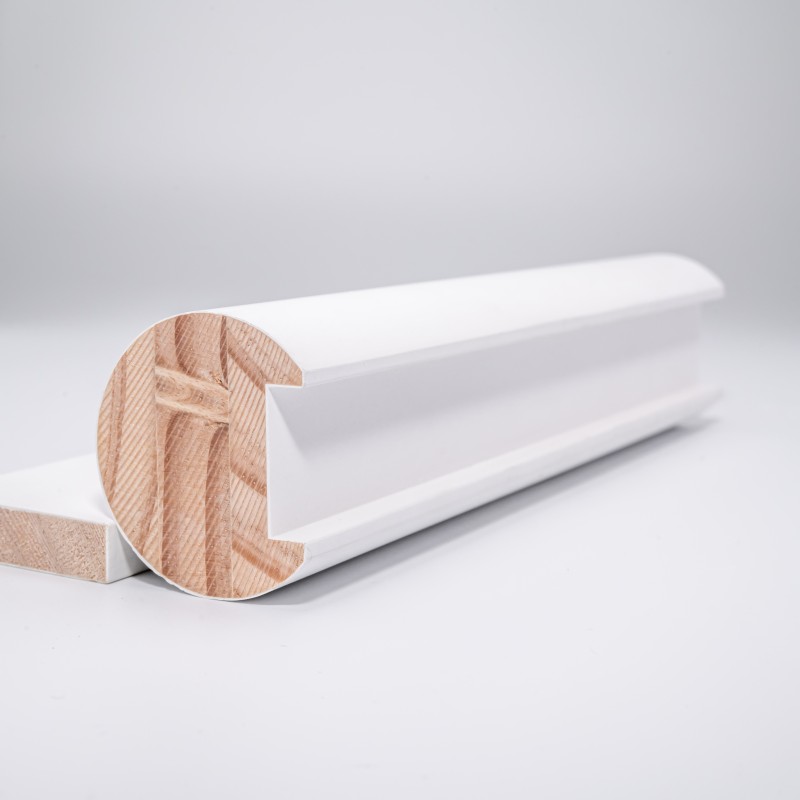
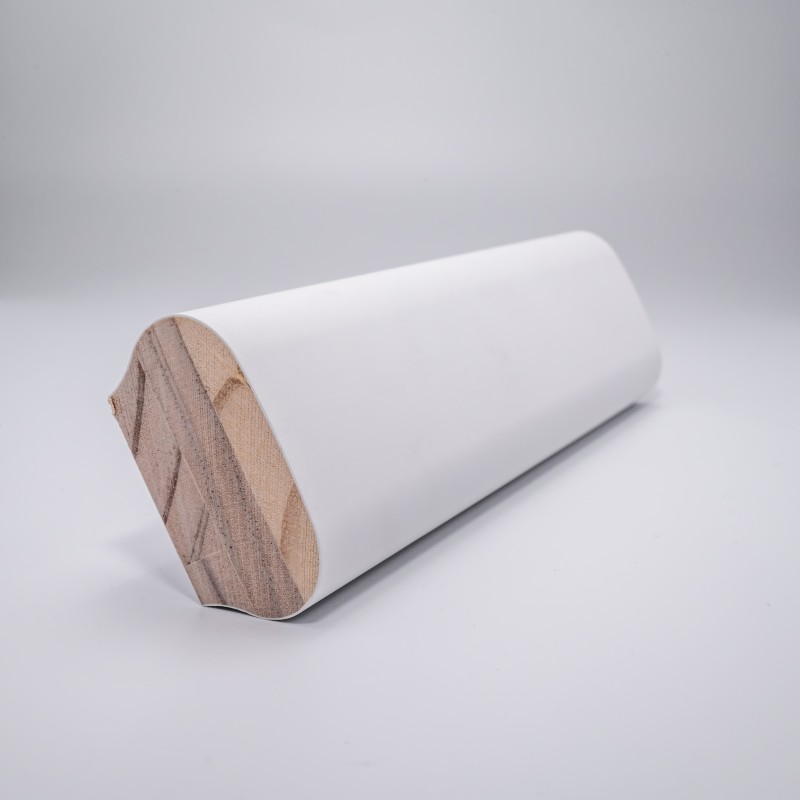
Wood Molding Innovations Meet Growing US Market Needs
In 2026, Wood Molding is entering a new phase of innovation in response to rapidly evolving US interior design and construction requirements. As residential and commercial projects become more design-driven, manufacturers are developing more advanced, efficient, and customizable Wood Molding solutions to meet market expectations.
This innovation cycle is not limited to Wood Molding alone. It is closely connected to increasing demand for Crown Molding, Baseboard Molding, Chair Rail Molding, and Wood Trim Molding, all of which are now part of integrated interior finishing systems widely used across the United States.
Companies such as Xiamen Zihua Industry & Trade Co., Ltd. are contributing to this shift by improving production methods, material performance, and design flexibility for global customers.
Innovation Driven by Changing US Interior Expectations
The US market is demanding more from interior finishing materials than ever before. Homeowners, builders, and designers now expect Wood Molding products that combine aesthetics, durability, and installation efficiency.
This shift in expectations is driving innovation in several key areas:
More precise profile engineering for Wood Molding systems
Improved surface finishing compatibility with Crown Molding designs
Enhanced durability for Baseboard Molding in high-traffic areas
Flexible modular design for Chair Rail Molding applications
Better integration with Wood Trim Molding finishing systems
As a result, Wood Molding is no longer a standard commodity product but a highly engineered interior design component.
Crown Molding Influences Design Innovation Trends
One of the strongest drivers of Wood Molding innovation is the continued evolution of Crown Molding applications in US interiors. As Crown Molding becomes more detailed and varied in design, it requires matching improvements in supporting trim systems.
Manufacturers are now designing Wood Molding profiles that align more precisely with Crown Molding dimensions, ensuring seamless transitions between ceiling and wall structures.
This alignment improves:
Visual continuity in interior spaces
Installation accuracy across complex layouts
Compatibility with modern architectural styles
The evolution of Crown Molding has therefore directly influenced how Wood Molding is designed and manufactured.
Baseboard Molding Advances for Modern Living Spaces
Innovation in Baseboard Molding is another major factor shaping the modern Wood Molding market. US homes are increasingly designed with open layouts, high foot traffic, and minimalist aesthetics, requiring more durable and visually refined baseboard systems.
New developments in Baseboard Molding include:
Impact-resistant surface enhancements
Moisture-tolerant material compositions
Slim and tall profile variations
Seamless integration with Wood Molding frameworks
These improvements allow Baseboard Molding to function both as a protective and decorative element within modern interiors.
Chair Rail Molding Becomes a Design Flexibility Tool
The evolution of Chair Rail Molding reflects a broader shift toward customizable interior design. Rather than serving a fixed architectural role, Chair Rail Molding is now used as a flexible design element that supports creative wall composition.
In modern applications, Chair Rail Molding is being used for:
Dynamic wall segmentation layouts
Mixed-material wall designs
Visual zoning in open-plan interiors
Decorative framing systems in commercial spaces
These uses require more adaptable Wood Molding structures that can support varied installation patterns and design configurations.
Wood Trim Molding Enhances Precision Engineering
A key area of innovation is Wood Trim Molding, which plays a critical role in achieving precision in interior finishing systems. As interior designs become more detailed, the demand for high-accuracy edge finishing has increased significantly.
Modern Wood Trim Molding innovations focus on:
Sharper corner detailing for architectural transitions
Improved joint compatibility with Wood Molding systems
Enhanced surface finishing for premium interiors
Greater consistency in large-scale installations
This ensures that Wood Trim Molding remains essential for delivering high-end interior results.
Integrated System Design Shapes Industry Development
One of the most important trends in the US market is the shift from individual products to integrated systems. Instead of treating Wood Molding, Crown Molding, Baseboard Molding, Chair Rail Molding, and Wood Trim Molding separately, manufacturers are now developing coordinated product families.
These integrated systems provide:
Design Consistency
All molding components share compatible profiles and proportions.
Installation Efficiency
Contractors can install full interior systems faster and more accurately.
Reduced Material Waste
Better planning improves cutting and installation efficiency.
Stronger Visual Impact
Unified design improves overall interior aesthetics.
Manufacturing Innovation at Xiamen Zihua Industry & Trade Co., Ltd.
Xiamen Zihua Industry & Trade Co., Ltd. is actively contributing to innovation in Wood Molding production by improving manufacturing precision and expanding product flexibility for global markets.
The company produces:
Wood Molding
Crown Molding
Baseboard Molding
Chair Rail Molding
Wood Trim Molding
Key Manufacturing Innovations
1. Advanced Profiling Systems
Enables higher accuracy in Wood Molding geometry and alignment.
2. Material Optimization Techniques
Improves durability and stability across all molding categories.
3. Modular Design Capability
Supports flexible combinations of Crown Molding and trim systems.
4. Surface Enhancement Processes
Improves finish quality for premium interior applications.
5. Scalable Production Systems
Ensures consistent supply for large US renovation projects.
Material Technology Improvements in Wood Molding
Material innovation is a key factor in the evolution of Wood Molding. Manufacturers are now exploring new combinations of solid wood, engineered composites, and enhanced surface coatings.
Common advancements include:
Improved dimensional stability for Wood Molding
Enhanced resistance in Baseboard Molding applications
Lightweight structural improvements for Crown Molding
Flexible customization for Chair Rail Molding systems
Durable finishing technologies for Wood Trim Molding
These developments allow products to perform better in diverse US climate and installation conditions.
Design Trends Driving Market Innovation
Several interior design trends are directly influencing innovation in Wood Molding:
Increased demand for layered interior wall structures
Growing popularity of minimalist but detailed interiors
Expansion of luxury residential construction
Rising use of coordinated trim systems
Preference for clean architectural transitions
These trends ensure that Wood Molding, along with Crown Molding, Baseboard Molding, Chair Rail Molding, and Wood Trim Molding, remains central to modern interior design.
Future Outlook for Wood Molding Innovation
The future of Wood Molding in the US market is strongly tied to continued innovation in design integration, material science, and manufacturing precision. As interior design becomes more customized and detail-oriented, demand for advanced Wood Molding systems will continue to grow.
With increasing adoption of integrated systems combining Crown Molding, Baseboard Molding, Chair Rail Molding, and Wood Trim Molding, innovation will remain a key driver of market competitiveness and product evolution in the years ahead.
